Understanding the House Edge
The house edge is a fundamental concept in the realm of gambling. It represents the mathematical advantage that casinos maintain over players, ensuring that they make a profit over time. Each game in a casino is designed with a specific house edge, which is expressed as a percentage. This percentage indicates the average amount the casino expects to retain from each bet placed, and for players seeking an edge, understanding options like fast withdrawal casino canada can be beneficial. Understanding the house edge is crucial for anyone engaging in gambling, as it sets realistic expectations for potential outcomes and helps players approach their gaming with informed decisions.
The percentage of the house edge varies significantly across different games. For example, classic table games like blackjack may feature a lower house edge, especially when players utilize optimal strategies. This might be as low as 0.5% for skilled players who follow basic strategy. Conversely, games such as slot machines often present a much higher house edge, sometimes exceeding 10%. This considerable variance influences how players should approach their gambling experiences. Being informed about the house edge allows players to make strategic decisions about which games to play and how to manage their bets effectively.
While the idea of counteracting the house edge might seem daunting, some players believe they can outsmart the odds through skill and strategy. In games such as poker and blackjack, skilled players can leverage their knowledge to minimize the house advantage. However, it’s important to recognize that while strategic play can reduce potential losses, it cannot completely eliminate the house edge. This reality serves as a reminder that every gambling endeavor comes with inherent risks, and players must remain aware of the odds stacked against them, regardless of strategy.
The Role of Strategy in Gambling
In the world of gambling, employing a well-thought-out strategy can significantly impact how effectively a player manages their bankroll and enhances their winning potential. For example, in blackjack, players can utilize strategies like card counting to gain a deeper understanding of game dynamics. While card counting does not change the house edge, it can provide players with an informed approach to betting, enabling them to make decisions that could potentially lead to higher profits in favorable situations. Mastering these strategies requires not only knowledge but also practice and discipline.
In addition to card counting, other forms of strategic play exist across various gambling activities. In sports betting, for instance, players who understand statistics, team performance, and trends have a better chance of making successful bets. They can identify valuable betting opportunities that others might overlook. Nevertheless, even the most effective strategies cannot completely nullify the house edge. Each strategic approach requires substantial knowledge, practice, and discipline, and even then, the outcomes can be unpredictable. This uncertainty can lead to disappointment, highlighting the importance of managing expectations when gambling.
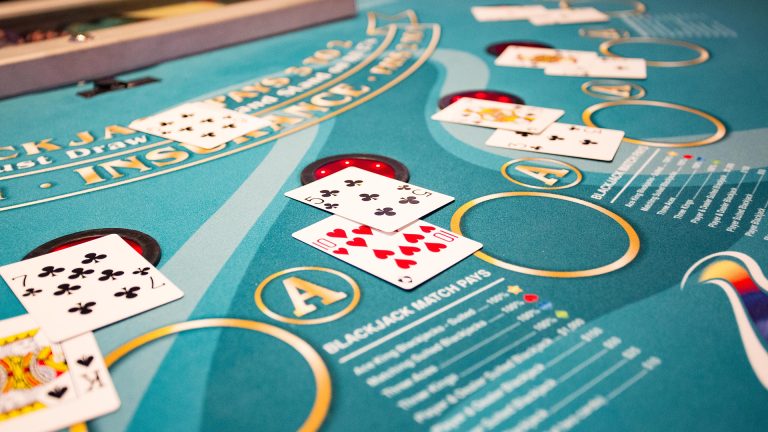
Ultimately, while strategic methodologies can enhance a player’s gaming experience and may yield better results, they do not guarantee victory. It is vital for players to maintain a realistic outlook and acknowledge that the house edge will always play a role in their outcomes. Developing an effective strategy can lead to enjoyable and potentially profitable gaming sessions, but players should not fall into the trap of believing they can completely overcome the house edge through strategy alone. Responsible gaming involves understanding the limitations of strategies and being prepared for both wins and losses.
Psychology of Gambling and Its Impact
The psychology of gambling significantly influences player behavior and decision-making processes. A key component of this psychology is the concept of ‘loss aversion,’ which describes the tendency of individuals to prefer avoiding losses over acquiring equivalent gains. This natural inclination can often lead players to chase losses, increasing their time spent in the casino and the amount of money they gamble. Understanding this psychological aspect is essential for anyone looking to engage in responsible gambling, as it can help mitigate impulsive decisions driven by emotions.
This phenomenon illustrates how gamblers might overlook the house edge. Instead of accepting their long-term disadvantage, many focus on short-term wins or the allure of a potential winning streak. This mindset can lead to reckless financial decisions and ultimately result in significant losses as players continue to gamble in an attempt to recover what they have lost. Recognizing these psychological triggers is crucial for anyone hoping to maintain control over their gambling experience. Awareness of these mental patterns can empower players to make more rational decisions.
Emotional responses to wins and losses can also cloud judgment. Winning generates excitement, which can tempt players to gamble more, while losing can provoke frustration. Such emotions may lead to impulsive betting, causing players to disregard the mathematical realities of the house edge. Acknowledging these psychological elements is vital for anyone aiming to gamble responsibly and manage expectations while participating in casino activities. Keeping emotions in check can lead to more thoughtful and calculated gambling practices, enhancing the overall experience.
Games with Better Odds: Can You Really Beat the House?
Although the house edge is present in all casino games, some games offer better odds than others. For instance, blackjack and baccarat typically feature lower house edges compared to games such as slots or keno. In blackjack, employing the basic strategy can bring the house edge down to around 0.5%, making it one of the most favorable games for players. Understanding these differences can empower players to make informed choices about where to allocate their gambling funds. By opting for games with a lower house edge, players can potentially stretch their bankroll further and increase their chances of achieving a favorable outcome.

Moreover, certain strategies can be effectively applied to games with better odds. In blackjack, for instance, players who master basic strategy can significantly improve their odds of winning. Similarly, in poker, skillful players can outmaneuver their opponents, creating opportunities for long-term profits. However, even in these scenarios, it is essential to remember that the house edge remains a fixed factor across all games. Players must find a balance between employing strategies and recognizing that variance and luck will still play a role in the outcome.
While improving one’s odds by selecting the right games and employing effective strategies is certainly possible, the unavoidable reality of the house edge means that losses will occur over time. Players must recognize that while they can enhance their experience and possibly achieve short-term profits, they cannot completely escape the realities of the house edge. Consistency and sound decision-making are vital components in navigating the intricate landscape of casino gaming. Embracing the challenge of gambling can be rewarding when approached with the right mindset.
Conclusion: Embracing the Casino Experience
In conclusion, the casino experience should primarily be viewed as a form of entertainment rather than a guaranteed method for achieving financial returns. By understanding the house edge, employing effective strategies, and acknowledging the psychological factors involved, players can make more informed decisions when gambling. While it may be tempting to believe one can consistently beat the house edge, the reality remains that the odds are inherently in favor of the casino. Thus, players should approach gambling with a clear understanding of its nature.
Players who approach gaming with a positive mindset can fully enjoy the thrill of the experience without falling victim to the common pitfalls of gambling. Responsible gaming not only involves understanding the house edge but also setting limits and maintaining realistic expectations. Recognizing that casinos are businesses designed to profit from player bets can lead to more enjoyable and sustainable gaming practices. This perspective fosters a healthier relationship with gambling.
In summary, while players can utilize strategies and choose games with better odds to enhance their gaming experiences, the house edge remains a constant challenge. Embracing the entertainment aspect of gambling, along with a balanced approach, will lead to a more fulfilling experience in the casino environment. Ultimately, the true value lies not in defeating the odds, but in reveling in the game itself and appreciating the excitement that comes with it.